Marbella Old Town: 48 Hours
Marbella Old Town offers five centuries of layered history compressed into a handful of whitewashed blocks, still lived in, still working, still surprising. This is not a museum piece. It is a neighbourhood that happens to be beautiful.
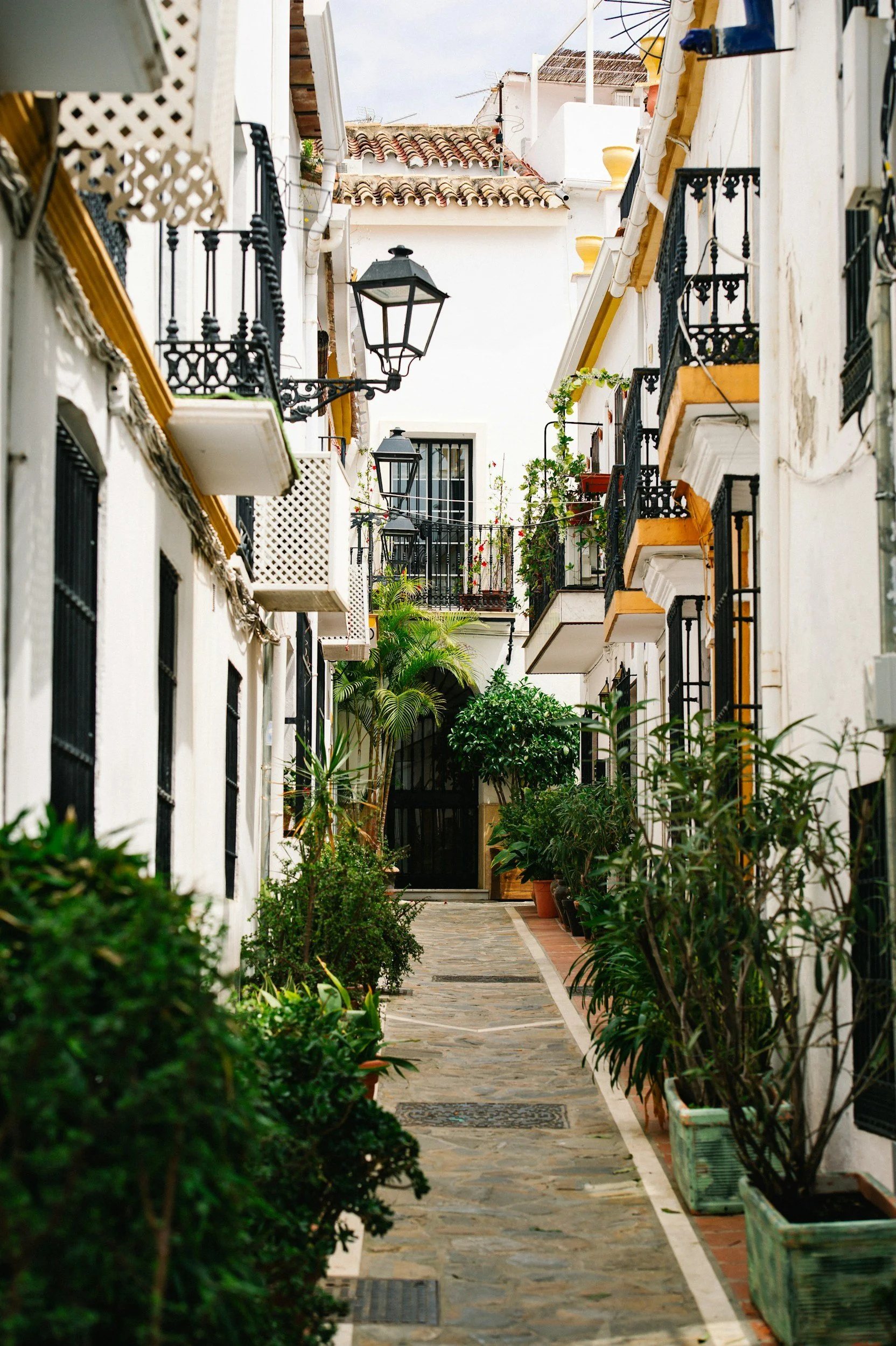
Bounded loosely by Plaza de los Naranjos at its heart and the remnants of the old Moorish walls at its edges, the Old Town predates the coastal boom by centuries, a Roman then Nasrid settlement, later reshaped under Ferdinand and Isabella, now home to boutique hotels, design-led restaurants and some of the most quietly valuable real estate on the coast. Narrow streets keep the heat out in summer. Orange trees keep the air sweet year-round. And unlike much of modern Marbella, almost everything here is reached on foot.
@casamoderna.marbella
Day 1 · Arrival
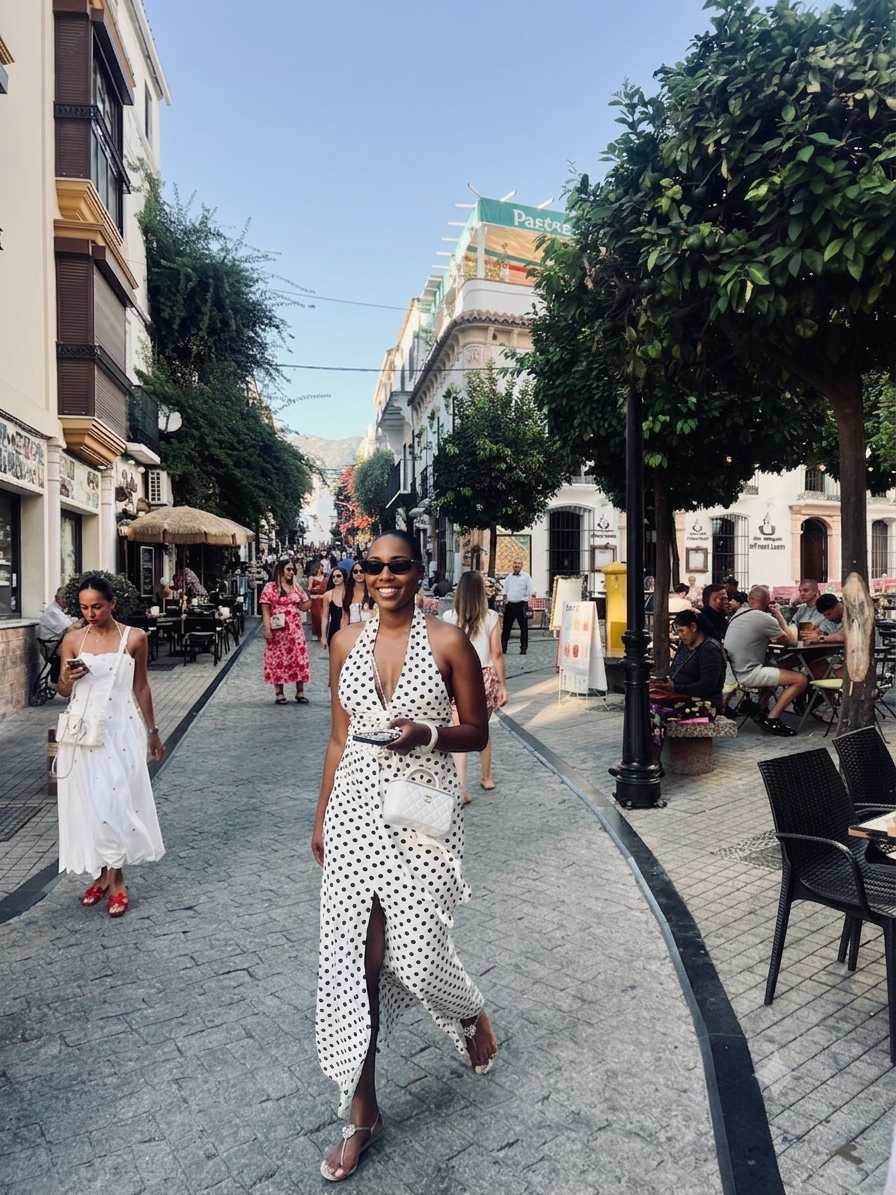
Begin in the Plaza de los Naranjos itself. Even after years of visiting, the scale of it still surprises, a small, orange-tree-lined square framed by the 16th-century Ayuntamiento and townhouses that have barely changed their façades in a century. Sit with a coffee and let the town reveal itself slowly rather than working through a checklist.
By early afternoon, wander the tangle of streets radiating out from the plaza. Calle Pantaleón in particular has become something of a culinary spine for the Old Town. Stop for tapas at Taberna Casa Curro, the original of what is now a small family of restaurants on the same street, known for its cured meats, artichokes and no-reservations, stand-at-the-barrel energy. A few doors along, its sister restaurant La Tienda Casa Curro offers a more contemporary, design-conscious take on the same Andalusian foundations, modern tapas, a serious wine list, and an interior that feels so inviting.
For dinner, cross a few streets to Taberna El Bordón, also on Calle Pantaleón, where the kitchen leans into inventive versions of Andalusian classics, crisp artichokes, steak croquettes and often to the sound of live flamenco drifting through the dining room. Reserve ahead; the room is small and the reputation has long since outgrown it
For the Serious Table
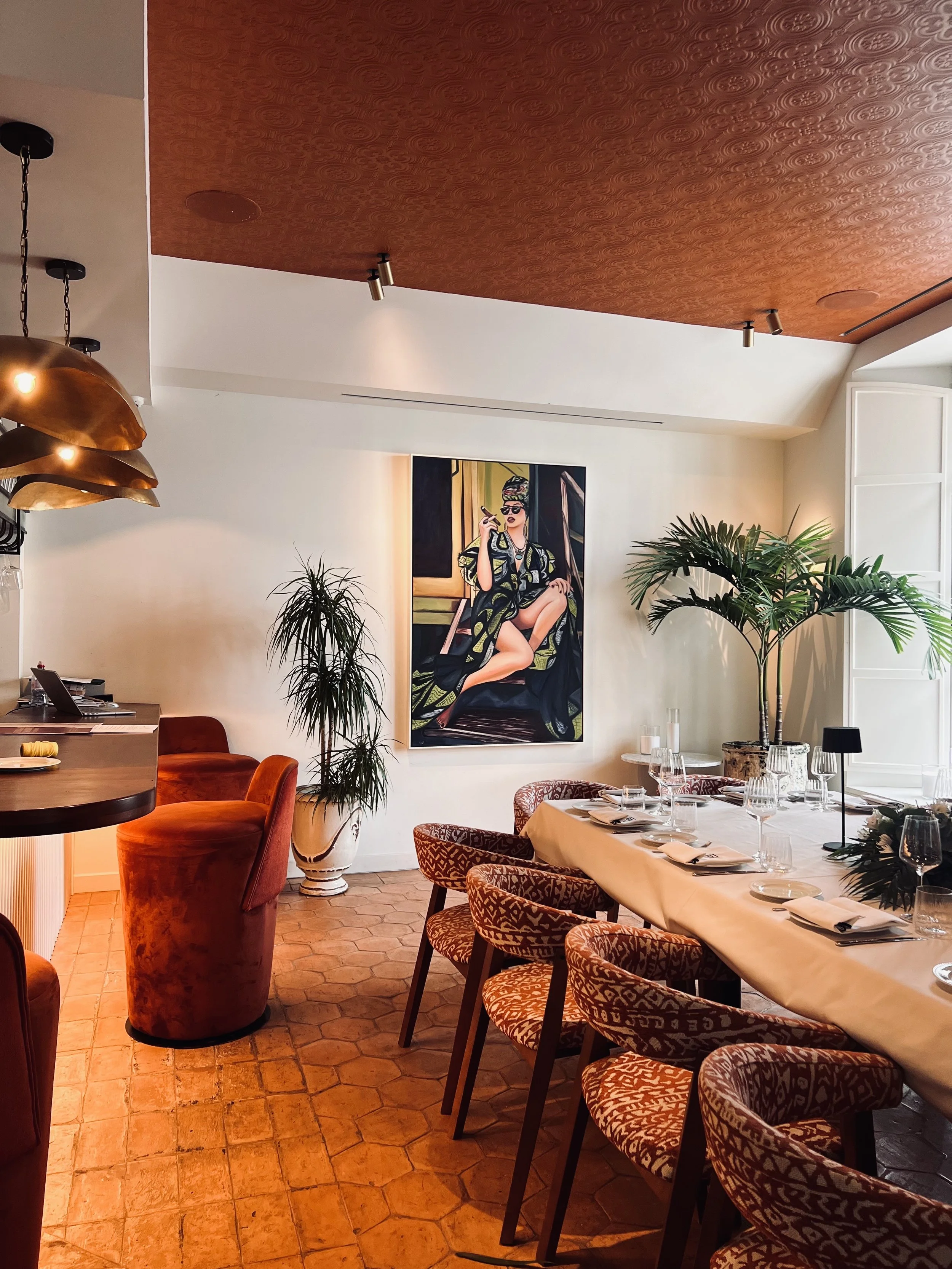
The Old Town also holds its own against Marbella's grander addresses when it comes to serious cooking, without ever losing the intimacy of scale. Back, tucked near the Parque de la Constitución, holds a Michelin star under chef David Olivas, a bold, technically precise take on Andalusian cuisine from a chef who spent over a decade alongside Dani García. Casa Eladio, family-run since 1965 and now in its third generation, is Michelin-selected and remains one of the most respected addresses in Marbella for classic Andalusian cooking done properly, quietly, and without theatre. And within La Fonda Heritage Hotel itself, the property that once held Marbella's first hotel Michelin star, from 1978 to 1995. The restaurant continues that lineage under Executive Chef Jorge González Carmona, set inside a former 16th-century chapel. These are the tables regulars book weeks ahead, precisely because so few seats exist to book..
@casamoderna.marbella
Day 2 · Staying
The second day is for slowing down further, which in the Old Town simply means walking without a plan. Morning light on the whitewashed walls is worth being up for. The Museo del Grabado Español Contemporáneo and the old Hospital Bazán are close by for those who want a cultural detour, but the streets themselves are the real exhibition.
Late morning is best spent at the Mercado Central, the Old Town's working food market on Calle Francisco de Quevedo, fishmongers, cheese counters, a caviar shop, and, tucked into puestos 67–68, Mediodía, Champagne & Ostras, a market stall turned oyster bar that regulars consider one of the best-value places in Marbella to eat Gallician , French or Irish oysters properly, alongside a well-priced list of cava and champagne and a handful of standout tapas like sobrasada toast and migas. It is unpolished by design, standing room mostly, and exactly the kind of find that never appears on a hotel concierge's list.
As the afternoon turns to evening, make for Plaza Santo Cristo, a smaller, quieter square tucked behind the main thoroughfares, home to La Fonda Heritage Hotel ,the first Relais & Châteaux property in Andalusia, set across three 16th-century buildings. Take the lift up to its rooftop, La Fonda Sky Bar, for champagne cocktails, oysters and a view over terracotta rooftops and church towers that few in Marbella get to see from this angle. It is unhurried by design, a rooftop built for a sunset rather than a scene.
@casamoderna.marbella
Restaurants & Drink
La Fonda La Tienda Casa Curro
Bar + Tapas
La Fonda Sky Bar - Mediodía Champagne & Ostras
Art Gallery + Spanish Culture
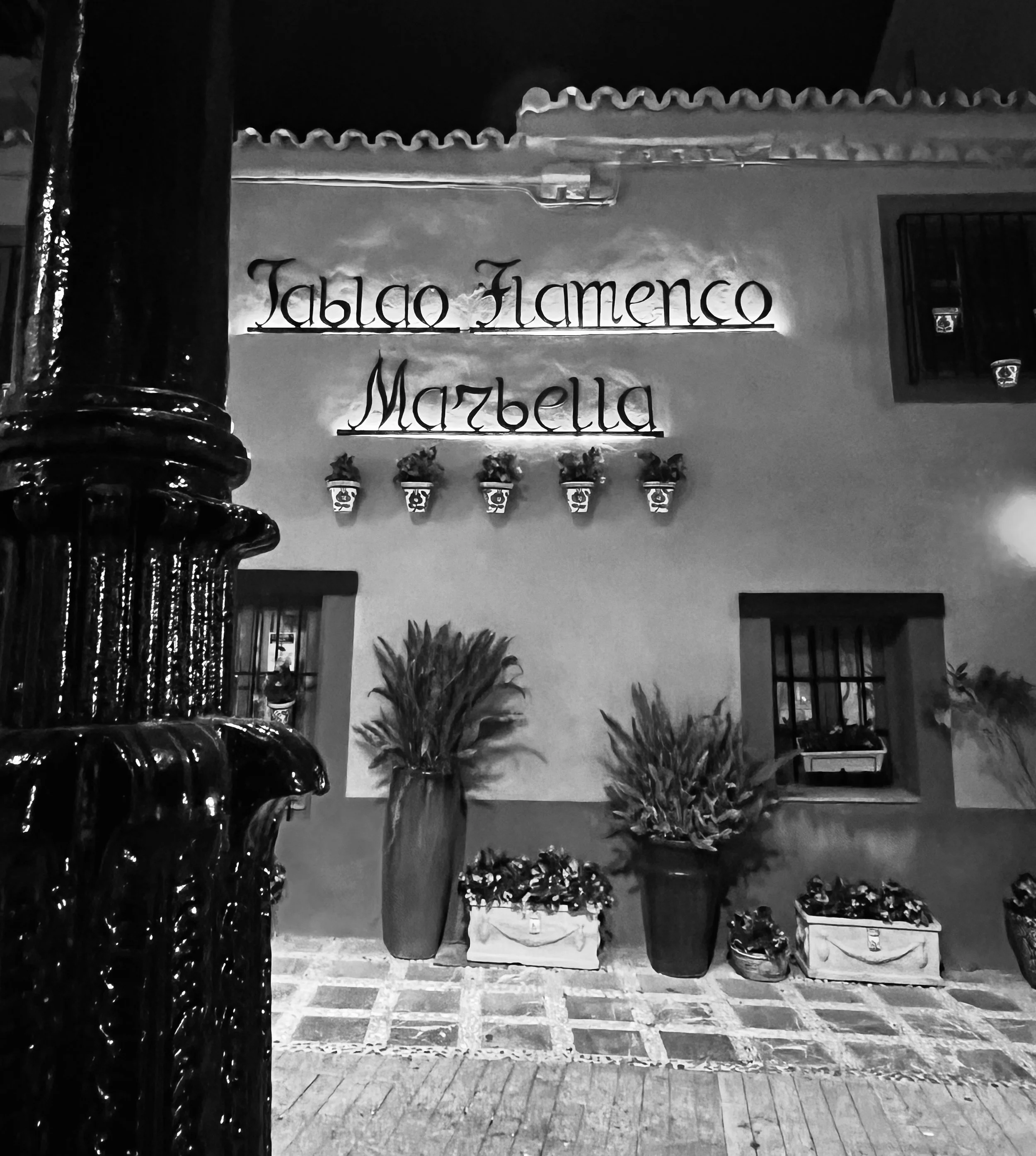
Museo del Grabado - La Fonda Tablao
@danielstiel
Access
Central Marbella, walking distance to the seafront. Málaga airport 45 minutes.15.