Marbella : 48 Hours
On the stretch of coast where the modern city does its living and why so many who come for a fortnight end up buying instead.
There is a version of Marbella built for the postcard, and a version built for the people who actually live here. The second is Centre: the wide, palm-lined grid running from Avenida Ricardo Soriano down to the water, where 1960s and '70s architecture wears its age well, a Salvador Dalí retrospective sits permanently in the open air and the promenade runs for seven uninterrupted kilometres along the Mediterranean. This is where the tables are booked by regulars and the question stops being where should we stay and starts being could we actually live like this.
Here this neighbourhood is beach life lived on foot, mornings that start with sand still on your feet, terrazas filling by midday, the seven-kilometre promenade morning or evening ritual. It's Dalí bronzes passed on the way to coffee, market stalls known only by regulars. This is Marbella at its own pace, not performed for anyone passing through just the everyday texture of a place people actually live.
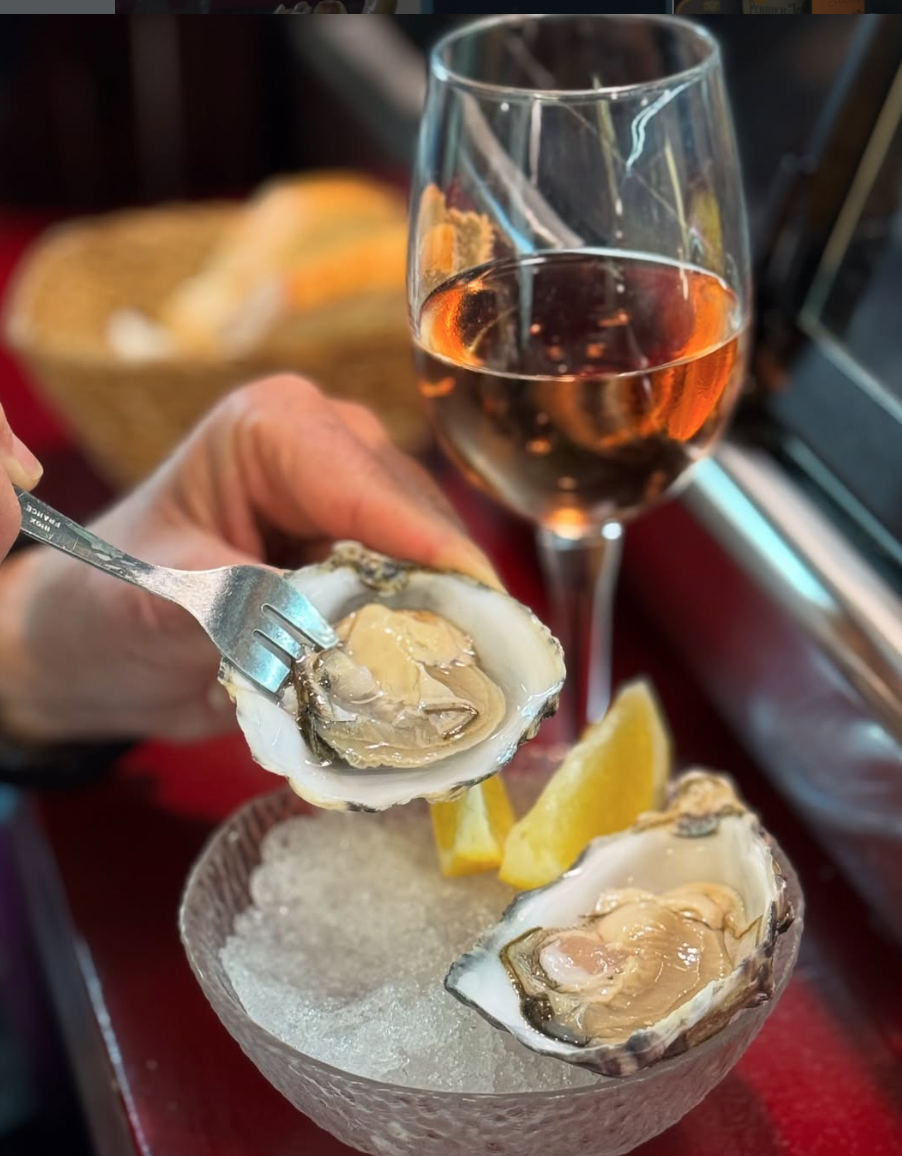
Mediodía, Champagne & Ostras
Day 1 · Arrival
Morning: The Avenue That Explains Marbella
Begin at Avenida del Mar, the pedestrian boulevard linking Alameda Park to the sea. Ten bronze sculptures by Salvador Dalí, Perseus, Gala Gradiva, an elephant on legs like stilts line a walk of polished marble and shaded pergolas, installed here in 1998 and left, quite deliberately, unguarded and free. It takes five minutes to walk; allow twenty. There is no better introduction to what this city believes about itself: that beauty belongs in the street, not behind a ticket booth.
Continue north into Alameda Park itself wrought iron, jacaranda in full violet by May, hand-painted ceramic tile telling the story of the town in fragments. It is the closest thing Centre has to a communal drawing room, and on any given morning it is filled with the people who will be your neighbours, not your fellow guests.
Mediodía, Champagne & Ostras
At the Mercado Central, a stall with almost no signage has become one of the finest seats in town. Mediodía, Champagne & Ostras trades in duck rillette, smoked sardines, and oysters by the half-dozen, served standing at a market counter with a glass of something cold. It is unpretentious in the way only the genuinely excellent can afford to be, the kind of find that, once you know it, becomes a private ritual rather than a recommendation you pass on lightly.
Mercado Central de Marbella, Avenida del Mercado
From there, the Paseo Marítimo runs east toward Puerto Deportivo, Marbella's working marina, yachts moored a few steps from the pavement, terrazas filling from mid-afternoon onward. This is the hour Centre reveals its actual rhythm: unhurried, unbothered, entirely uninterested in performing for anyone passing through.
Evening: Two Tables, One Marbella
The first night offers a choice, and it says something about Centre that both are correct.
Nota Blu New Brasserie, set within the grounds of La Meridiana, is the grand table, Calacatta Viola marble, walnut and brass, a glass-enclosed wine cellar doubling as private dining room, a pianist most evenings. Chef Fabián Cangas builds a menu of classic French technique with a lighter, coastal hand: octopus, Angus rib eye, the kind of dinner that rewards dressing properly and staying late.
Camino de la Cruz, s/n, La Meridiana, 29602 Marbella
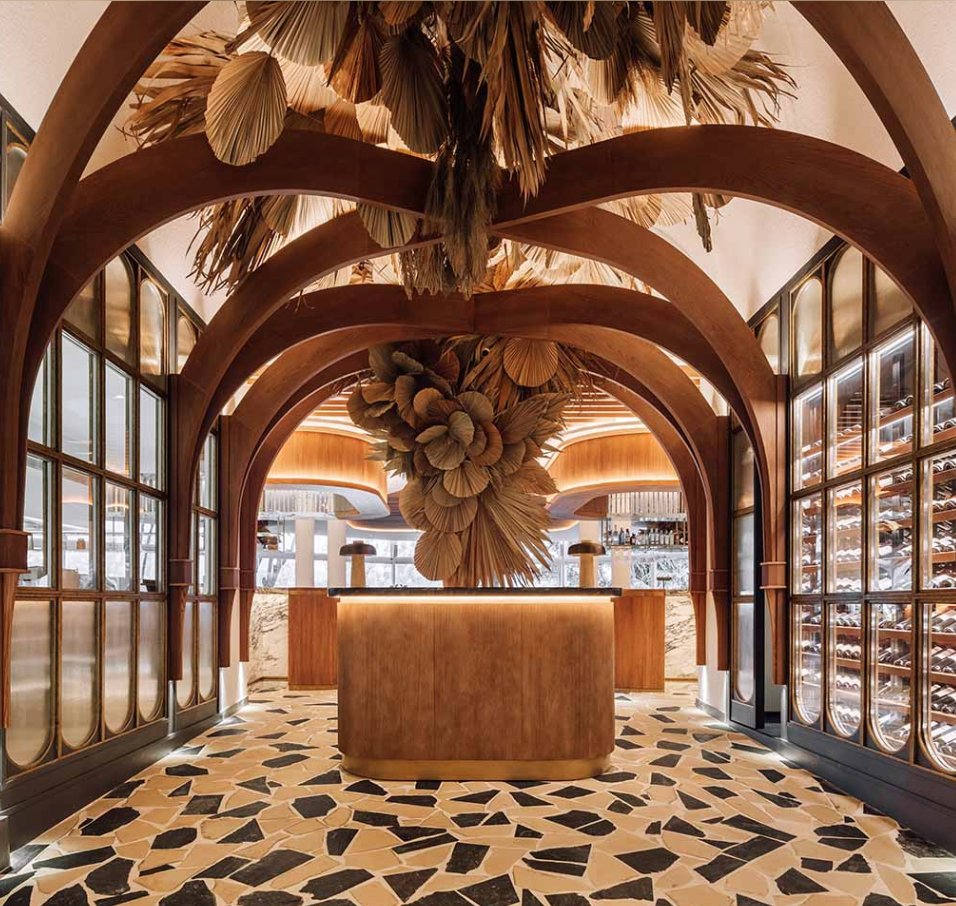
Nota Blu New Brasserie
Or, for something considerably harder to find twice.
Taberna Gaspar carries no sign and gives nothing away from the street. Inside, the menu is handwritten each morning, dictated by the market rather than a printer, and carried table to table rather than handed over. The tortilla, thick, unrepentantly oniony appears only after dark. This is a room that was never designed to be discovered; it simply hasn't managed to stay hidden from the people worth knowing.
C. Notario Luis Oliver, 19, 29602 Marbella
Day 2
Second Morning: The Avenue at Its Own Pace
Breakfast on a terraza along Ricardo Soriano, Centre's true main street, the jacarandas overhead worth the seat alone through April and May. Less curated than Puerto Banús and considerably more honest for it. The apartments sitting above these shopfronts are some of the best-value square metres on this coast, five minutes' walk from the sea and never marketed as beachfront at all.
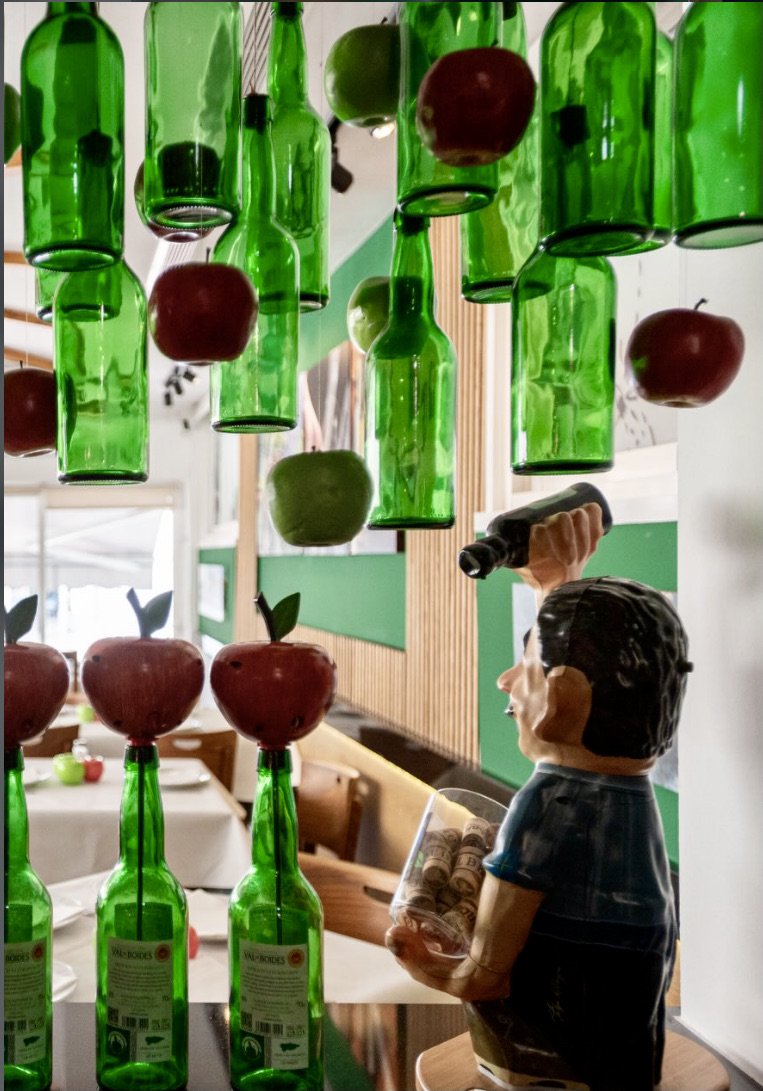
Sidrería Manolo
Restaurants & Drink
Sidrería Manolo
Nota Blue
Manolo
Tapas
Mediodía Champagne & Ostras
Lekune Pintxos
Bar
Manero
La Madrina
The Address Book
Avenida del Mar Between Alameda Park and Paseo Marítimo, 29602 Marbella
Alameda Park Avenida Ramón y Cajal, Marbella
Puerto Deportivo Marbella Marbella Marina, east end of Paseo Marítimo
Mercado Central de Marbella Avenida del Mercado
Playa de la Fontanilla / Playa de Venus Paseo Marítimo, central beachfront
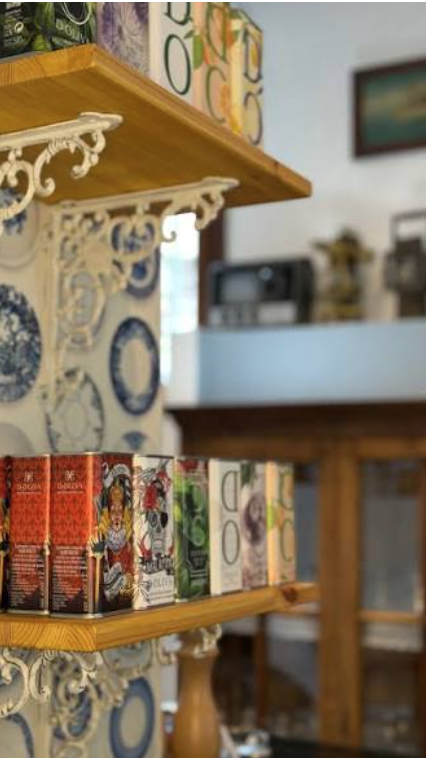
Tasper Gasper
By midday, Lekune a Basque pintxos bar that has spent over two decades quietly teaching this city how to eat. Sit and let the trays circulate.
Afternoon: The Beach
Playa de la Fontanilla and Playa de Venus flank Avenida del Mar and the marina with a run of beach clubs considerably more relaxed. The same coastline, the same light, a fraction of the theatre. It is, quietly, Centre's best argument for itself.
Final Evening: Further Out
For the last night, start with a signature cocktail in La Madrina their bartender creates each cocktail as if it were a dish.
Jump in a taxi and drive to a local neighbourhood, La Campana and Sidrería Manolo, an interior untouched by trend for years, and Asturian cooking taken entirely seriously. Cider poured the traditional way, held high and let fall; rodaballo handled with real restraint; croquetas ordered by regulars without a glance at the menu. It survives on word passed between people who already trust each other's taste, which remains, in any city, the highest recommendation there is.
La Campana, Nueva Andalucía, Marbella
En route, it's worth a slow drive-by past Villa El Rincón on the Golden Mile, a 1968 Andalusian Moorish estate designed by Robert Mosher, an apprentice of Frank Lloyd Wright. It's a reminder that the coast's architectural pedigree runs deep.
Post dinner, a last drink at Bar Manero, central enough to end any evening.
Not a place you visit well, but one you could live in and the properties here, quietly, back that up.
Marbella: 48-Hours CASA Moderna